
China Climate & City Travel Guide: Find Your Perfect Season


 Mia
Mia
 China Travel Tips
2025-12-03
China Travel Tips
2025-12-03
China is a vast land with astonishing climatic diversity. From the frozen landscapes of the northern frontier to the tropical charm of the south, from the snowy highlands of the Tibetan Plateau to the palm-fringed beaches along the South China Sea, climate is a key factor in planning your journey.
This guide introduces the climate characteristics of major travel cities in China, compares their latitudes with well-known international cities, and recommends the best seasons to visit. With this information, you can easily plan a comfortable and perfectly timed trip across China.
China's Macro Climate Overview
Before planning for specific cities, it's helpful to understand the overall climate patterns of China:
South vs. North: Divided by the Qinling Mountains–Huai River line, the south is warm and humid, while the north is cold and dry.
East vs. West: Eastern China is influenced by monsoons, featuring four distinct seasons with rainfall concentrated in warmer months. Western China, with its strong continental climate, has large temperature differences between day and night. The Qinghai–Tibet Plateau has its own unique high-altitude mountain climate.
Key principle: Latitude determines baseline temperature, while elevation and distance from the sea create countless local climate variations. Traveling from north to south or from east to west provides completely different experiences.
Major Cities along China's Classic Travel Routes (from North to South)
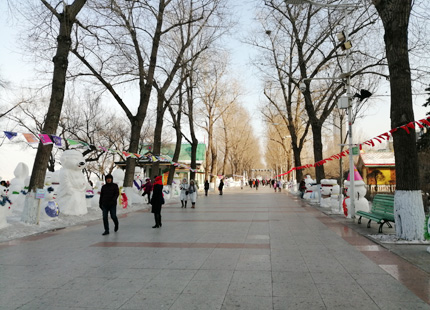
Harbin: The Oriental Legend of an Ice and Snow Kingdom
Latitude Comparison: Around 45°N, similar to Montreal (Canada) and Portland (USA).
Climate Type: Cold temperate continental monsoon climate. Long, bitterly cold winters and short, cool summers.
Temperature Features:
Winter (Dec-Feb): Extremely cold, with average temperatures from -20°C to -10°C (-4°F to 14°F), and lows that can drop below -30°C.
Summer (Jul-Aug): Pleasant, with average temperatures between 20°C-25°C (68°F-77°F), making it an excellent summer escape.
Best Time to Visit:
Winter (Dec-Feb): Experience the world-famous Harbin International Ice and Snow Festival, admire massive ice castles, and enjoy skiing. High-quality cold-weather gear is essential.
Summer (Jul–Aug): Comfortable weather for exploring European-style architecture (such as Saint Sophia Cathedral) and strolling along Central Street to enjoy the charm of the"Moscow of the East."
Nearby Destinations: Snow Town, Jilin, Changbai Mountain.

Urumqi: The Sunny City on the Ancient Silk Road
Latitude Comparison: Around 44°N, similar to Chicago (USA), Turin (Italy), and Bucharest (Romania), but its deep inland location creates far more extreme climate conditions.
Climate Type: Temperate continental arid climate - extreme weather, very dry with little rainfall, strong sunshine, and large temperature differences between day and night. The saying"wear a cotton coat in the morning and gauze in the afternoon" truly describes life here.
Temperature Features:
Summer (Jun-Aug): Hot and dry during the day, reaching 30°C-35°C (86°F–95°F), but cool at night. UV radiation is extremely strong.
Winter (Dec-Feb): Cold, averaging -10°C to -15°C (14°F to 5°F), though the dry cold feels less harsh than the damp cold in Northeast China.
Spring and Autumn: Both are short; spring may bring occasional sandstorms.
Best Time to Visit:
Summer (Jun-Sep): The best season. Tianchi Lake and Nanshan Grasslands are lush and beautiful, and this is the peak time for tasting Xinjiang's famous fruits (especially grapes and Hami melons). It's also ideal for experiencing Silk Road culture and ethnic vibes at the International Grand Bazaar.
Autumn (late Sep-early Oct): Stable weather and vibrant colors, though temperatures drop quickly.
Essential Tip: Regardless of season, strong sun protection (high SPF sunscreen, hat, sunglasses), hydration, and a light jacket for temperature shifts are must-haves.
Nearby Destinations: Kashgar, Turpan, Kanas.
Beijing: An Imperial Capital with Four Distinct Seasons
Latitude Comparison: Around 39°N, similar to Washington, D.C. (USA), Ankara (Turkey), and Madrid (Spain).
Climate Type: Temperate continental monsoon climate with very distinct seasons; spring and autumn are relatively short.
Temperature Features:
Spring (Apr-May): Warm and windy, temperatures range from 10°C-20°C (50°F-68°F).
Summer (Jul-Aug): Hot and humid, often reaching above 35°C (95°F), with occasional thunderstorms.
Autumn (Sep-Oct): The golden season of the year - clear skies, crisp air, and pleasant temperatures of 15°C–25°C (59°F–77°F).
Winter (Dec-Feb): Cold and dry, averaging -5°C to 5°C (23°F-41°F).
Best Time to Visit:
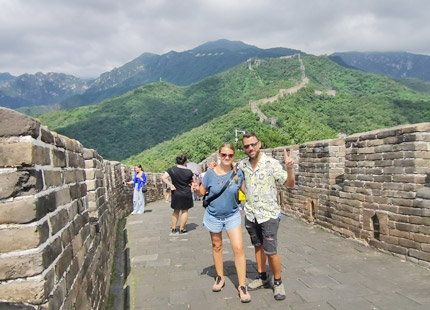
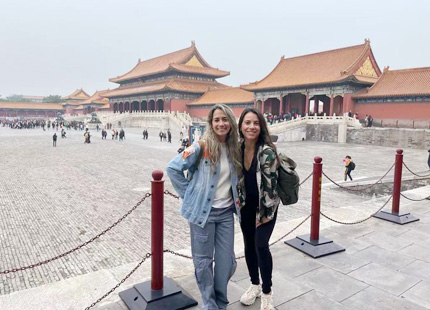
Autumn (late September-late October): Perfect weather and beautiful red foliage - ideal for visiting the Great Wall, Forbidden City, and Summer Palace.
Spring (April-early May): Mild and comfortable, though occasional sandstorms may occur.
Avoid: The extreme heat of summer and the National Day Golden Week (October 1-7), when crowds peak.
Nearby Cities: Tianjin, Chengde, Datong.
Xi'an: An Inland Ancient Capital That Spans Millennia
Latitude Comparison: Around 34°N, similar to Los Angeles (USA), Athens (Greece), and Casablanca (Morocco).
Climate Type: Warm temperate, semi-humid continental climate. Four distinct seasons with hot summers, cold winters, and occasional spring dust.
Temperature Features:
Hot Summer: July-August often exceeds 35°C (95°F) and feels dry.
Cold Winter: January averages around 0°C (32°F) and is also dry.
Spring and Autumn: Both noticeable, though spring is shorter, while autumn is more stable and comfortable.
Best Time to Visit:
Autumn (September-October): The top choice. Clear, pleasant weather - ideal for exploring the Terracotta Warriors, Ancient City Wall, and Giant Wild Goose Pagoda.
Spring (April-May): Warm and pleasant, though checking air quality forecasts is recommended.
Tip: Xi'an's summer sun is strong; bring sun protection and stay hydrated when touring outdoor heritage sites such as the Terracotta Army pits.
Nearby Cities: Luoyang, Pingyao.
Shanghai: A Humid and Vibrant Oriental Metropolis
Latitude Comparison: Around 31°N - similar to New Orleans (USA), Cairo (Egypt), and Kagoshima (Japan).
Climate Type: Subtropical monsoon climate. Distinct four seasons, with hot, humid summers and cold, damp winters.
Temperature Features:
Plum Rain Season (late June–early July): Continuous drizzle with extremely high humidity; feels muggy.
Summer (July-August): Hot and humid, often reaching up to 38°C (100°F); frequent afternoon thunderstorms.
Winter (January–February): Cold and damp with average temperatures of 3°C-8°C (37°F-46°F). Many buildings lack central heating, making it feel colder.
Best Time to Visit:
Autumn (October-November): The best season-comfortable temperatures and bright sunshine; ideal for strolling along the Bund and exploring Yu Garden.
Spring (April–May): Pleasant weather with cherry and peach blossoms, though rainfall begins to increase.
Nearby Cities: Suzhou, Hangzhou.
Chengdu: The Relaxed and Humid Land of Abundance
Latitude Comparison: Around 30°N - similar to Jacksonville (USA), Riyadh (Saudi Arabia), and New Delhi (India), though the Sichuan Basin creates a completely different climate.
Climate Type: Subtropical humid climate. Known for cloudy, foggy weather with very limited sunshine - hence the saying "Shu dogs bark at the sun."
Temperature Features:
Summer: Hot and humid, but less extreme compared with the "furnace cities"of the lower Yangtze River.
Winter: Cold and damp, usually 5°C - 10°C (41°F - 50°F), with very little sunshine.
Annual temperature range is small, though day–night differences can sometimes be noticeable.
Best Time to Visit:
Spring (March - June) and Autumn (September - November): Relatively less rain and comfortable temperatures - ideal for enjoying hotpot, visiting the Giant Panda Base, or exploring Mount Qingcheng.
Unique Charm: Chengdu's drizzly, moody weather enhances its famously laid-back teahouse culture - perfect for slow travel.
Nearby Destinations: Jiuzhaigou, Leshan, Chongqing.

Lhasa: The City of Sunlight on the Roof of the World
Latitude Comparison: Around 29°N - similar to New Delhi (India), Mecca (Saudi Arabia), and Houston (USA). However, its 3,650-meter elevation dramatically reshapes the climate, making it more comparable to Kathmandu, Nepal.
Climate Type: Alpine plateau climate. Key features include high elevation, intense sunlight, thin air, dryness, and huge day–night temperature differences. Lhasa enjoys abundant sunshine year-round, earning its nickname: "The City of Sunlight."
Temperature Features:
Summer (June-August): The warmest season. Daytime temperatures reach 20°C-23°C (68°F-73°F), feeling warm under direct sunlight, but nights quickly drop to around 10°C (50°F).
Winter (December-February): Sunny days can reach about 10°C (50°F), but nights may fall to -10°C (14°F).
Always: Sun vs. shade and day vs. night can feel like two entirely different seasons.
Best Time to Visit:
Warm Season (May-October): Especially May-June and September-October. Oxygen levels are relatively higher, temperatures mild, and rainfall low - ideal for visiting the Potala Palace, Jokhang Temple, and Lake Namtso.
Important Tips: Prepare for altitude sickness, use strong sun protection, stay hydrated, and layer clothing for rapid temperature changes.
Nearby Destinations: Shigatse, Gyantse, Mount Everest.
Kunming: The"Spring City" of Eternal Blossoms
Latitude Comparison: Around 25°N - similar to Miami in the United States or Riyadh in Saudi Arabia. However, its high plateau elevation of about 1,900 meters makes its climate unique, resembling the mildness of Mexico City more than other cities at the same latitude.
Climate Label: Low-latitude plateau monsoon climate. Mild temperatures year-round, spring-like in all seasons, with distinct dry and wet periods. Abundant sunshine and large day-night temperature variations. The local saying "weather always feels like March, flowers bloom in all four seasons" truly reflects its climate.
Temperature Features:
No extreme cold or heat year-round:
Coldest month (January): average 8°C–15°C (46°F–59°F)
Hottest month (July): average 18°C–25°C (64°F–77°F)Dry Season (Nov–Apr): Clear and sunny with little rain, strong sunlight, dry air, and very large day-night temperature differences (up to 15°C).
Rainy Season (May–Oct): Concentrated rainfall, mostly afternoon showers that clear quickly. Air becomes fresh and humid afterward.
Best Time to Visit:
Suitable year-round, but spring (Mar–May) and autumn (Sep–Nov) offer the best experience.
Spring: Blossoms everywhere—cherry blossoms and crabapple flowers at Yuantong Hill; the waters of Fuxian Lake appear vividly blue.
Autumn: Clear skies and crisp air; red-beaked gulls can be spotted around Dianchi Lake (Nov–Mar).
Key Tips:
1. "Four seasons in one day": Always bring layered clothing that's easy to put on or take off to handle the large temperature fluctuations.
2. High-elevation sun protection: UV radiation is strong - SPF 50+ sunscreen, hats, and sunglasses are essential.
3. Moisturizing: The dry season can be dehydrating, so keep skin and lips well moisturized.
Nearby Travel Destinations: Pu'er, Chuxiong, Jianshui, Yuanyang.
Lijiang: Gentle Moments in the Snowy Ancient Town
Latitude Comparison: Around 27°N - similar to Tampa (USA) and Lucknow (India). However, its elevation of about 2,400 meters makes its climate more like certain highland cities in the Andes of South America.
Climate Type: Highland monsoon climate, combining plateau and monsoon characteristics. Strong sunlight, intense UV radiation, distinct wet and dry seasons, and larger day-night temperature differences than Kunming.
Temperature Features:
Mild all year: Summers are cool, with the hottest month averaging below 20°C (68°F), making it a perfect summer escape. Winters are sunny and warm during the day.
Large day-night temperature differences: Especially during the dry season; sunny daytime feels like spring, while nights can drop near freezing.
Rainy Season (June–September): Rain is heavier but usually in showers, minimally affecting travel. This is when vegetation is at its greenest.
Best Time to Visit:
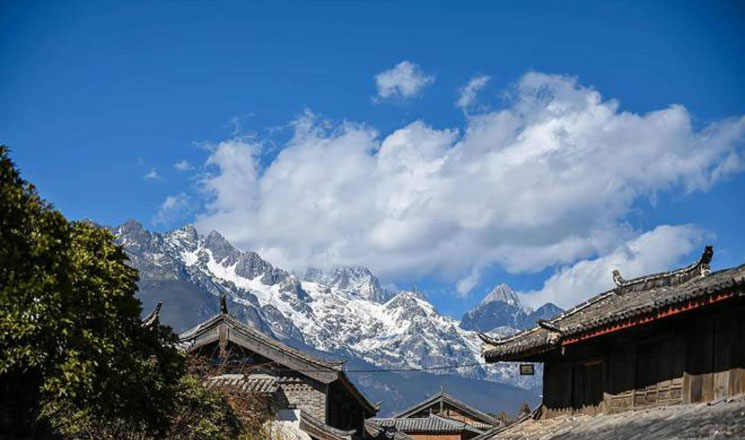
Spring (April-June) and Autumn (September–October): Stable weather and clear skies-ideal for exploring Jade Dragon Snow Mountain, Lijiang Old Town, and Lugu Lake.
Summer (July-August): Cool and pleasant, though it's the rainy season and school holidays, so crowds increase.
Key Tips:
1. Altitude adjustment: Although lower than Lhasa, some visitors may experience mild altitude effects. Avoid strenuous activity and alcohol upon arrival.
2. Sun protection and warmth: "Sunny days feel like summer, shaded areas like autumn, nights like winter." Sunscreen and layered warm clothing are essential, especially for early morning snow mountain trips or nighttime Old Town walks.
3. Moisturizing and skincare: The plateau is dry; bring moisturizers and lip balm.
Nearby Travel Destinations: Dali, Shaxi, Shangri-La.
Guilin: The Karst Wonderland of Mountains and Rivers
Latitude Comparison: Around 25°N - similar to Miami (USA), Mecca (Saudi Arabia), and Karachi (Pakistan).
Climate Type: Subtropical monsoon climate. Warm, humid, with abundant rainfall.
Temperature Features:
Summer (May-September): Hot and rainy, especially during the rainy season in May-June. The Li River water level rises, and occasional heavy rains may occur.
Winter (December-February): Mild and humid, with temperatures mostly between 5°C-15°C (41°F-59°F), occasionally feeling chilly.
Important Tip: Guilin's landscapes are most magical after rain when the mist clings to the karst peaks, creating an ink-painting-like scene.
Best Time to Visit:
Spring (April–May) and Autumn (September–October): Most pleasant weather, moderate rainfall, and beautiful scenery - perfect for Li River cruises and cycling through Yangshuo's countryside.
Nearby Travel Destinations: Zhangjiajie, Yangshuo.
Xiamen: The Artsy and Refreshing Seaside Garden City
Latitude Comparison: Around 24°N - similar to Miami (USA), Dubai (UAE), and Riyadh (Saudi Arabia).
Climate Type: Subtropical oceanic monsoon climate. Generally mild and pleasant year-round, evergreen scenery. Spring is rainy and humid, summer carries typhoon risks, and autumn is the most ideal season.
Temperature Features:
Spring (March-April): Warm but rainy, with the unique "Return of the South"phenomenon (walls and floors release moisture), making it very humid.
Summer (May–September): Hot, with peak temperatures in July–August reaching 35°C (95°F); typhoon season peaks from July to September.
Autumn (October–November): Golden season - clear skies, moderate temperatures 20°C- 28°C (68°F-82°F), and comfortable humidity.
Winter (December–February): Short and mild, averaging 12°C-18°C (54°F-64°F), rarely below 10°C.
Best Time to Visit:
Autumn (mid-October–late November): Ideal - perfect for strolling Gulangyu Island, cycling along the Ring Road, and visiting Nanputuo Temple.
Spring (March–early April, avoiding Qingming rains): Comfortable temperatures and blooming scenery.
Avoid: Typhoon warning periods, National Day Golden Week (October 1–7), and humid"Return of the South"days.
Nearby Travel Destinations: Fuzhou, Quanzhou, Wuyishan, Yongding, Xiapu.
Guangzhou: Ancient Commercial Hub and Culinary Paradise
Latitude Comparison: Around 23°N - similar to Honolulu (Hawaii, USA), Mexico City (Mexico), and Riyadh (Saudi Arabia).
Climate Type: Subtropical monsoon climate. Long summers, short winters, humid and rainy. Hot summers, pleasant spring and autumn. One of China's hottest cities outside the"Four Furnaces."
Temperature Features:
Summer (April–October): Long, hot, and extremely humid. July–August temperatures often reach 33°C–36°C (91°F–97°F), feeling even hotter. Frequent afternoon thunderstorms.
Spring (March–April): Warm but humid, with the "Return of the South"moisture phenomenon affecting walls and floors.
Autumn (late October–December): Best season - clear, dry weather with comfortable temperatures 20°C-28°C(68°F-82°F).
Winter (January–February): Short and mild, averaging 13°C-20°C (55°F - 68°F); occasional cold snaps, but no snow.
Best Time to Visit:
Autumn (late October–early December): Ideal for sampling local cuisine, exploring Shamian Island, Chen Clan Ancestral Hall, and enjoying Pearl River night cruises.
Winter (December–February): Warm and comfortable, a perfect escape for northern travelers.
Important Tips:
1. Avoid extreme summer heat and humid spring "Return of the South" periods.
2. During the Canton Fair (April and October), hotel prices soar and rooms are hard to book - plan ahead.
3. Guangzhou's food culture is world-famous; the hot climate enhances the rich yum cha and dessert culture - don't miss it.
Nearby Travel Destinations: Shenzhen, Zhuhai, Kaiping, Taizhou, Meizhou, Chaozhou.
Hong Kong: Subtropical Vibes in the Dynamic Metropolis
Latitude Comparison: Around 22°N - similar to Havana (Mexico), slightly south of Riyadh (Saudi Arabia), and slightly east of Mumbai (India).
Climate Type: Subtropical maritime climate, with some southern areas bordering tropical. Long, hot, and humid summers; short, mild winters.
Temperature Features:
Summer (May-September): Very hot and humid, 28°C-33°C (82°F-91°F), with frequent sudden rain showers and typhoon risks.
Winter (December–February): Most comfortable season - dry, cool, 15°C-20°C (59°F-68°F).
Spring and Autumn: Short transitional seasons.
Best Time to Visit:
Autumn (October - late November) and Winter (December - February): Dry, sunny, and pleasantly warm - perfect for shopping, hiking (e.g., Dragon's Back Trail), enjoying local cuisine, and visiting Disneyland.
Avoid: Typhoon season (July - September), as flights and outdoor activities may be disrupted.
Nearby Travel Destinations: Macau, Zhuhai, Shenzhen.
Plan Your Trip to China
From south to the North in 15 days
15 Days China Tour: Hong Kong, Guilin, Chengdu, Xian, Luoyang, Beijing
From North to the Southwest
Beijing and Southwest of China in 14 Days
Northwest of China
Travel Urumqi, Turpan, Korla, Koutcha, Hotan, Kashgar in 12 days
Get a quick answer from ETripChina team
Contact Us



0086 773 5842555
Mon-Fri 9:00-18:00
email:contact@etripchina.com
WhatsApp: +86 13617732531
Best Travel Tips
- 1
Complete Guide to Payment in China for Overseas Travelers
- 2
China Climate & City Travel Guide: Find Your Perfect Season
- 3
China's Ultimate Food Guide: A Journey Through a Kingdom of Flavors
- 4
Guide to Chinese Festivals and Public Holidays
- 5
China's Ultimate Family Theme Park Guide
- 6
China Travel Guide | About China
- 7
Ultimate Guide to Chinese Ancient Architecture
- 8
Voyah Dreamer 7-Seater MPV Rental