
Quanzhou Travel Guide
Quanzhou: A Living Maritime Silk Road City Welcome to Quanzhou, a city where a thousand years of global history still flows through everyday life. In 2021, "Quanzhou: Emporium of the World in Song–Yuan China" was inscribed as a UNESCO World Heritage Site, bringing renewed global attention to this former "largest port of the East." Unlike cities preserved as static museums, Quanzhou is a living chronicle. Incense rises from centuries-old temples beside stylish cafés; local women wearing traditional zanhua floral headdresses pass by curious travelers; ancient Nanyin melodies echo alongside contemporary art and design. Today, Quanzhou is shaping itself as an international welcoming city, with improved visitor services and a relaxed, authentic atmosphere. Here, you can experience a rare balance of everyday life and spiritual heritage - often described as "half bustling streets, half poetic calm."
Top Attractions & Experiences in Quanzhou
Quanzhou's true charm lies in its rare coexistence of cultures and its deeply immersive everyday life, where world heritage sites blend seamlessly into the living city.
Explore the UNESCO World Heritage Corridor
In Quanzhou, history is not hidden - it unfolds naturally as you walk the streets. Start at the iconic Clock Tower and stroll along West Street, the old city's main artery. Visit Kaiyuan Temple, founded in the Tang Dynasty, and admire the Zhen'guo Pagoda, the tallest stone pagoda in China. Its carvings include ancient Hindu elements, offering a vivid reminder of Quanzhou's role in Maritime Silk Road exchanges.
Continue along Tumen Street, often called a "city of gods." Within a short walk, you'll find the Qingjing Mosque, the oldest surviving Islamic mosque in China, standing alongside thriving Taoist and folk temples such as Guan Yue Temple—a powerful illustration of Quanzhou's long-standing religious tolerance.
For classic Maritime Silk Road landmarks, head to Qingyuan Mountain to see the Song-dynasty Laojun Rock Carving, the largest Taoist stone sculpture of its kind in China. The Maritime Museum of Overseas Communication brings the city's global trade history to life, while a walk across Luoyang Bridge, the earliest cross-sea stone beam bridge in China, reveals ingenious ancient engineering using oyster reefs to strengthen its foundations.
Immerse Yourself in Local Life and Intangible Heritage
To truly understand Quanzhou, live like a local for a day. In Xunpu Folk Village, experience the nationally recognized Xunpu women's tradition. Join local women in wearing the iconic zanhua floral headdress - symbolizing beauty across generations - and capture unforgettable photos.
Quanzhou is also a cradle of southern Chinese performing arts. Attend a Nanyin performance, often called a "living fossil of Chinese music," or enjoy the exquisite artistry of string puppetry. During festivals, you may even encounter open-air performances of Songjiang Battle Formations or Gaojia Opera, bringing history directly to the streets.
Festivals, Markets, and Everyday Joy
During major holidays such as the National Day or Mid-Autumn Festival, the old town transforms into a giant open-air cultural stage. Wander through lively intangible-heritage markets, try the traditional Minnan dice game Bo Bing, or stumble upon spirited local finger-guessing contests. These spontaneous moments offer some of the most authentic and memorable insights into Quanzhou's vibrant community life.
Side Trips & Suggested Itineraries
Quanzhou's central coastal location makes it easy to combine with other Fujian highlights.
Nearby Cities
Xiamen: A modern seaside city known for Gulangyu Island; 30–50 minutes by high-speed train.
Fuzhou: Fujian's capital with rich heritage sites; about 1 hour by high-speed train.
Classic 4-Day Itinerary
Day 1: Arrive in Quanzhou. Walk West Street and Kaiyuan Temple; enjoy Nanyin or puppet theater at night.
Day 2: Visit the Maritime Museum, Qingjing Mosque, and Guan Yue Temple; experience Xunpu Village in the afternoon.
Day 3: Explore Qingyuan Mountain and Luoyang Bridge, then travel to Xiamen for an evening city stroll.
Day 4: Visit Gulangyu Island and end the trip.
Getting There & Around Quanzhou
By Air: Quanzhou Jinjiang International Airport (JJN) is the main gateway, with flights to most major Chinese cities and some international/regional routes. The airport offers visitor service desks, buses, airport shuttles, and taxis to the city.
By High-Speed Rail:
· Quanzhou Railway Station is the main hub, about 30 minutes from downtown.
· Easy regional links (from July 2025): New direct trains connect Dehua with Fuzhou and Xiamen, allowing one-stop travel from Quanzhou’s counties (Dehua, Yongchun, Anxi, Nan’an) without transfers.
Getting Around: The historic old town is compact- walking or electric sightseeing carts are ideal. Use buses, ride-hailing apps, or taxis for farther sights.
Best Time to Visit
Best seasons: Autumn (September–November) is ideal—cooler weather, comfortable humidity, and Anxi’s autumn tea season. Spring (March–May) is also pleasant.
Festivals: Mid-Autumn Festival and National Day bring vibrant events but heavier crowds—great for culture, less so for quiet travel.
Summer: Hot and humid, but popular for study tours and water activities.
Must-Try Local Cuisine
Quanzhou (Minnan) food is light, fresh, and rich in textures, with an outstanding snack culture.
Mianxian Hu (Wheat Vermicelli Soup): A breakfast classic with customizable toppings like seafood or pork, warming and comforting.
Ginger Duck: A fragrant braise with old ginger and sesame oil - deeply savory and nourishing.
Tǔsǔn Jelly: A famous local delicacy made from sea worms, served chilled with garlic soy sauce - springy and umami-rich.
Shíhuā Jelly: A refreshing seaweed jelly, often the base of fruit desserts - perfect in warm weather.
Beef Soup & Beef Cuts: Tender beef in a rich broth, commonly paired with savory rice.
Where to Stay: High-End Hotels & Boutique Stays
Old Town Immersion: Boutique hotels and design guesthouses in Licheng District offer easy access to heritage streets and a quiet, atmospheric stay—some adapted from historic buildings.
Coastal Resorts: Options include Anxiang · Gudu Residence (opened in 2025), set within a tranquil eco-park environment, and Shishi Golden Coast, home to a collection of upscale seaside resorts with sweeping ocean views.
Tea & Mountain Retreats: Stay in Anxi tea estates or Dehua porcelain-themed hotels for a tranquil escape blending tea culture, craftsmanship, and nature.
Recommended Quanzhou Tours

-
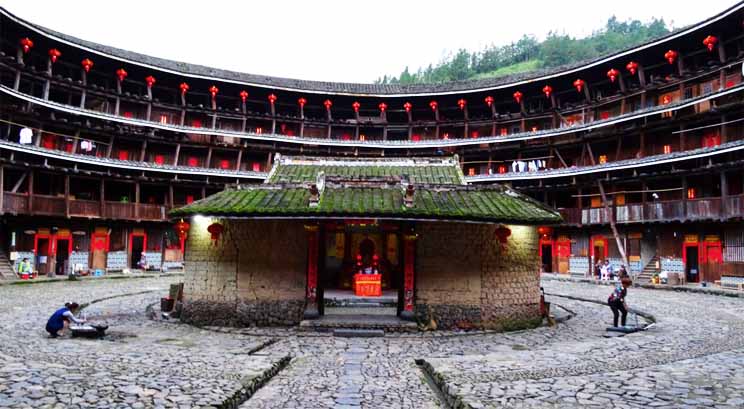
7 Days of Xiamen, Tulou, Quanzhou, Fuzhou and Mount Wuyi
Museum; Mountain; Ancient Village; Bamboo Rafting; Tulou;
An insight tour of Fujian starting from Xiamen to Nanjing Tulou, Quanzhou, Fuzhou and Wuyishan City. Enjoy the stunning coastal views at Xiamen and its offshore Island of Gulangyu, authentic Hakka culture of Fujianese and their miracle earth buildings, historical sites at the starting point of Maritine Silk Road, and natural scenery at Wuyi Mountain.On Request

Travel Ideas & Inspirations
-
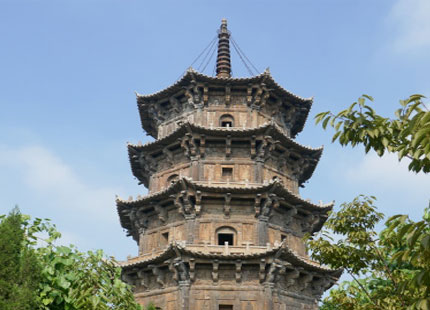
Plan a Trip to Quanzhou
Quanzhou, a coastal treasure, marks the Maritime Silk Road's birthplace. UNESCO sites fuse diverse cultures, echoing past Arab-Persian traders. Explore its riches, plan your visit, and savor Quanzhou's cuisine.