
Datong Travel Guide


 Mia
Mia
 2025-12-17
Datong: China's "Open-Air Museum of Ancient Capitals" and a Masterpiece of Grotto Art
Datong is a thousand-year-old historic city in northern China, often described as a living museum of Chinese history. It offers travelers a rare chance to explore the rise and fall of ancient dynasties, the height of Buddhist art, and centuries of cultural exchange all in one place.
From the awe-inspiring Northern Wei - era Yungang Grottoes to the remarkably well-preserved Ming-dynasty city walls, Datong showcases some of China's most important cultural treasures. Thanks to its cool and pleasant summers, the city is also known as the "Summer Retreat Capital," making it an ideal destination for travelers seeking both rich history and comfortable weather.
Datong City Overview
Location
Datong is located in northern Shanxi Province, bordering Inner Mongolia. Historically, it stood at the frontier where Central Plains dynasties met northern nomadic cultures, making it a key crossroads of civilizations.
Climate
Datong has a temperate continental monsoon climate with four distinct seasons and noticeable day–night temperature differences. Summers are cool and comfortable, with average July highs around 23°C (73°F), earning Datong its reputation as a popular summer escape.
Historical Importance
Datong is recognized as one of China's Nine Ancient Capitals. In the 5th century, it served as the capital of the Northern Wei Dynasty, then known as Pingcheng, and was an important hub along the ancient Silk Road.
Latest Policy (Major Benefit for International Travelers)
Since late 2024, Datong has been included in China's 240-hour (10-day) visa-free transit program. Eligible travelers transiting through designated Chinese ports to a third country can now stay in Datong for up to 10 days without a visa, making it far more accessible for international visitors.
What Makes Datong Special
A World-Class Grotto Art Treasure
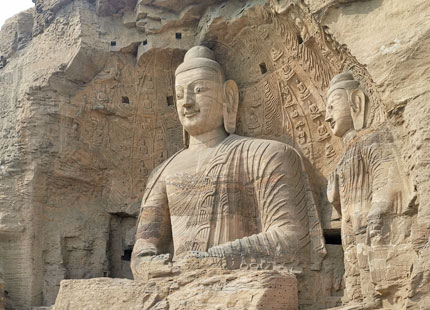
The Yungang Grottoes, a UNESCO World Heritage Site, were China's first large-scale imperial grotto complex. The sculptures reflect a remarkable blend of ancient Greek, Indian, Persian, and Chinese artistic influences, marking a milestone in the development of Chinese Buddhist art.
Gravity-Defying Ancient Architecture
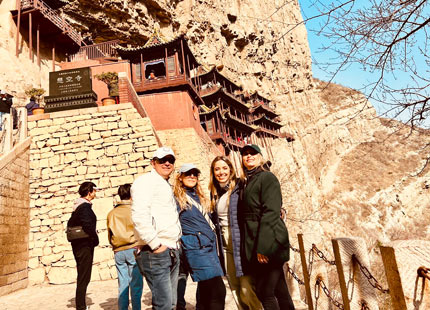
The legendary Hanging Temple (Xuankong Temple) on Mount Heng is the only temple in China combining Buddhism, Taoism, and Confucianism. Built into a sheer cliff using ingenious wooden joinery, it has survived for over 1,500 years and was named by TIME magazine as one of the "World's Top 10 Most Dangerous Buildings."
A Complete Ancient City & Grand Liao–Jin Temples
Datong's Ming-dynasty city walls remain impressively intact. Inside the old city, you'll find monumental Liao–Jin era temples such as Huayan Temple and Shanhua Temple, known for their vast main halls, exquisite murals, and refined clay sculptures.
From Video Game to Real Life
In 2024, the hit Chinese AAA game Black Myth: Wukong drew global attention, with many in-game scenes inspired by real Datong landmarks like the Yungang Grottoes and the Hanging Temple. This has sparked a new wave of visitors eager to experience these "real-life game locations" firsthand.
Top Attractions in Datong
Yungang Grottoes (UNESCO World Heritage Site)
One of China's most important Buddhist art sites. Focus on the 20 main caves, especially Cave 5 with its monumental Buddha, Cave 6 often called the "Oriental Venus" for its elegant Bodhisattva statue, and Caves 9 & 10 known for their richly colored relief carvings.
Mount Heng (Northern Sacred Mountain) & Hanging Temple
Climb Mount Heng, one of China's Five Great Mountains, and experience its deep Taoist heritage. At the mountain's foot, the Hanging Temple is an absolute must-see. Built into a vertical cliff, it is best visited early in the morning to avoid crowds.
Datong Ancient City & Historic Temples
Huayan Temple: Home to the Bojiaozang Hall, praised by renowned architect Liang Sicheng as a "unique treasure in China." Its intricate wooden structures and the famous smiling Bodhisattva statues are masterpieces of Liao Dynasty art.
Shanhua Temple: One of the largest and best-preserved Liao–Jin Buddhist temple complexes in China, offering a serene and solemn atmosphere.
Datong Ancient City Wall: Walk or cycle along the wall for panoramic views. Sunset and nighttime offer especially stunning cityscapes.
Natural & Geological Wonders
Datong Volcano Cluster National Geopark: Featuring over 30 extinct volcano cones, this rare geological site in East Asia is ideal for hiking, photography, and even stargazing.
Tulin (Earth Forest): A striking erosion landscape resembling stone forests formed from loess soil. The dramatic light and shadows make it particularly photogenic.
Datong Day Trips & Nearby Extensions (1–2 Days)
Yingxian (Approx. 1.5-hour drive)
Visit the Yingxian Wooden Pagoda, the oldest and tallest surviving wooden pagoda in the world. Often called a "living museum of wooden brackets," it showcases remarkable earthquake-resistant engineering from over 1,000 years ago.
Mount Wutai (Approx. 2.5-hour drive)
The foremost of China's Four Sacred Buddhist Mountains and a UNESCO World Cultural Landscape. With its blend of Han and Tibetan Buddhist temples, it's perfect for a 1–2 day spiritual and scenic journey.
Ulanqab, Inner Mongolia (Approx. 1.5 hours by high-speed train)
Explore the Ulan Hada Volcano Group and enjoy a more rugged volcanic landscape combined with grassland scenery, offering a refreshing contrast to Datong’s historical sites.
Must-Try Local Food in Datong
Datong is well known for hearty northern Chinese food, especially noodles.
Knife-Cut Noodles (Dao Xiao Mian)
The city's signature dish. Freshly shaved noodles with a rich pork sauce - filling, tasty, and easy to find everywhere.
Local Snacks
Hunyuan Cold Jelly: Smooth, slightly spicy and sour, very refreshing.
Baihua Shaomai: Juicy dumplings shaped like flowers, best dipped in local Shanxi vinegar.
Warm Local Dishes
Traditional Copper Hot Pot: A shared charcoal-heated pot with meat, vegetables, and noodles - great in cool weather.
Lamb Offal Soup: A popular local comfort food, especially in winter.
Dessert to Try
Yellow Millet Cake: Soft and chewy, often topped with tangy sea buckthorn sauce.
Getting to & Around Datong
By Air
Datong Yungang Airport (DAT) connects Datong with major Chinese cities.
International flights: Currently offers scheduled direct flights to Moscow.
Many travelers also arrive via Beijing (PEK/PKX) or Taiyuan (TYN), then take a high-speed train (about 2 hours) to Datong.
By Train
Datong South Railway Station is the main high-speed rail hub, with fast connections to Beijing (≈2 hrs), Taiyuan (≈1.5 hrs), Hohhot, Xi'an, and other major cities - efficient and traveler-friendly.
Best Time to Visit Datong (Quick Guide)
Best Seasons: May–June & September–October
Mild, cool weather (8–17°C / 46–63°F)
Ideal for sightseeing, walking, and outdoor attractions
Bring a light jacket for mornings and evenings
Summer: July–August
Cool compared to most Chinese cities (21–23°C / 70–73°F)
Great summer escape
Occasional rain, especially in August
Winter: December–February
Cold and dry (−9 to −6°C / 16–21°F)
Fewer tourists, quiet atmosphere
Snowy scenery around ancient sites
Dress warmly; some outdoor spots may limit access
Suggested Itineraries
Classic Architecture Highlights – 2 Days
Day 1:
Arrive in Datong. In the afternoon, visit the Yungang Grottoes, a UNESCO World Heritage Site. In the evening, walk along the Datong Ancient City Wall to enjoy sunset views and the illuminated night scenery.
Day 2:
Visit Huayan Temple in the morning. Around midday, head to the spectacular Hanging Temple (Xuankong Temple).
After the visit, either return to Datong for departure or continue to Yingxian Wooden Pagoda. From Yingxian, you can take a train onward to Pingyao.
Recommended Trip Ideas: Datong Tours and Vacations
Get a quick answer from ETripChina team
Contact Us



0086 773 5842555
Mon-Fri 9:00-18:00
email:contact@etripchina.com
WhatsApp: +86 13617732531
Best Travel Tips