Jingdezhen Travel Guide
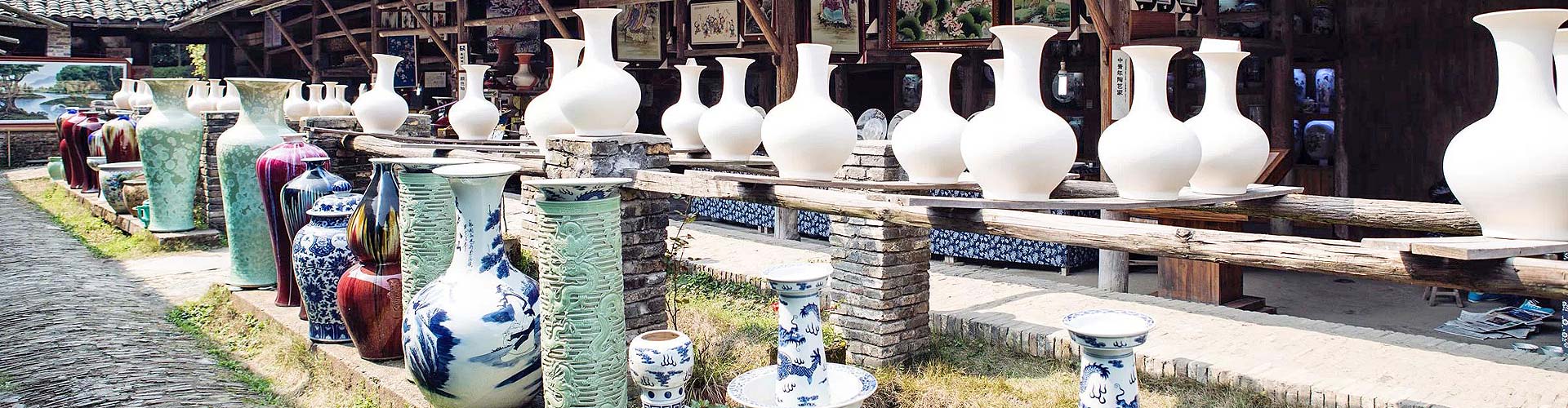
Welcome to Jingdezhen, a city whose soul is shaped by porcelain. Unlike traditional scenic destinations, Jingdezhen is defined by kilns, clay, craftsmanship, and contemporary creativity - earning its title as the "World Capital of Porcelain." Here, every ceramic piece carries history, and every street tells a story of skill passed down through generations. For international visitors, a journey to Jingdezhen offers a rare, immersive look into the heart of Chinese civilization. You can touch the famous kaolin clay, feel the heat beside ancient dragon kilns, and discover how centuries-old traditions are reimagined through the work of modern artists - all in one inspiring destination.
Top Attractions & Experiences
Jingdezhen offers a compact yet immersive porcelain journey, blending imperial history with living craftsmanship and modern creativity.
Taoyangli Imperial Kiln Area – The historic heart of Jingdezhen, once the Ming–Qing royal kilns. Explore the award-winning Imperial Kiln Museum and preserved old kiln neighborhoods.
China Ceramics Museum – A must-visit overview of Chinese porcelain, from ancient origins to contemporary works. Closed Mondays.
Ancient Kiln Folk Customs Expo Area – Watch traditional porcelain-making in action and try hands-on pottery experiences.
Yaoli Ancient Town – A peaceful riverside town, birthplace of kaolin clay, showing the natural roots of Jingdezhen ceramics.
Taoxichuan Creative District – Trendy art zone with galleries, cafés, and lively weekend markets in converted factory buildings.
Sculpture Porcelain Factory (Lotte Market) – Best for original, artist-made ceramics, especially on Saturday mornings.
Sanbao International Ceramic Village – A relaxed art community set in scenic hills.
Bingding Wood-Fired Kiln & "Silent Buddha" – Popular contemporary icons where traditional culture meets modern design and photography.
Nearby Extensions & Suggested Itineraries
Jingdezhen sits at the heart of Northeast Jiangxi’s cultural corridor, making it easy to combine porcelain heritage with iconic landscapes and historic towns.
Key Nearby Destinations
Wuyuan (~1 hour by car) – Known as “China’s most beautiful countryside,” famous for spring rapeseed flowers and autumn harvest traditions, ideal for photography.
Huangshan (Yellow Mountain) (~1.5–2 hours) – A UNESCO World Heritage Site celebrated for its granite peaks, ancient pines, sea of clouds, and hot springs.
Mount Sanqingshan (~2 hours) – A UNESCO Natural Heritage site and sacred Daoist mountain, renowned for its dramatic granite formations.
Classic Itinerary - Jingdezhen Ceramics Journey
Day 1: Arrive in the afternoon and stay near Taoxichuan. Explore the Taoxichuan Creative District at sunset, browse design shops and weekend markets, and enjoy the night atmosphere.
Day 2: Morning visit to the China Ceramics Museum. In the afternoon, head to the Ancient Kiln Folk Customs Expo Area to watch master artisans and try wheel-throwing. In the evening, visit the Taoyangli Imperial Kiln Area and enjoy its beautifully lit historic lanes.
Day 3: Morning at the Sculpture Porcelain Factory (Saturday Lotte Market if available) or a relaxed visit to Sanbao Art Village. Depart in the afternoon.
Getting There & Around Jingdezhen
By Air: Jingdezhen Luojia Airport offers flights to major Chinese cities. You can also fly to Nanchang Changbei International Airport or Huangshan Tunxi Airport, then continue by high-speed train.
By High-Speed Train (Recommended): Jingdezhen North Station is a key hub on the Hefei–Fuzhou line, with easy connections to Shanghai, Hangzhou, Fuzhou, Nanchang, and Beijing.
Getting Around the City: Attractions are spread out. Taxis or car charter are flexible options. Public buses are available but may involve longer waits.
Best Time to Visit & Local Food
Best Time:
Spring (March–May) and autumn (September–November) offer the most comfortable weather. October is especially lively during the Jingdezhen International Ceramic Fair. Summer is warmer but quieter, while winter is cold yet rewarding for those interested in traditional dragon kiln firings.
Local Food:
Jingdezhen cuisine is part of Jiangxi (Gan) cuisine—fresh, spicy, and distinctive. Must-tries include cold rice noodles (leng fen), steamed rice dumplings (jiaozi ba), beef bone noodles, and the unique kiln-baked chicken. Local snack streets and night markets are ideal for tasting a variety of dishes.
Where to Stay in Jingdezhen
Taoxichuan Area – Creative & Convenient:
Close to the main art district, with cafés, shops, nightlife, and many design hotels and boutique stays. Ideal for most visitors.
Taoyangli Imperial Kiln Area – Historic Immersion:
Stay in the old town for a deeper sense of Jingdezhen’s past, especially atmospheric in the early morning and evening.
Sanbao Village – Artistic & Tranquil:
Set in a quiet valley with a strong creative vibe, perfect for travelers seeking peace and inspiration. Taxis are needed for transport.
Recommended Jingdezhen Tours

-

7 Day Huangshan, Jingdezhen & Wangxian Valley Cultural Journey
Mountain; Ancient Village;
An extended Huangshan-based journey combining Yellow Mountain highlights with Huizhou villages, Jingdezhen porcelain heritage, ancient kiln sites, Huangling village, and Wangxian Valley - ideal for travelers seeking a deeper cultural experience beyond classic Huangshan tours.On Request -
Huangshan Day Tour to Jingdezhen and Wuyuan
Ancient Village; Countryside; Ancient Architecture;
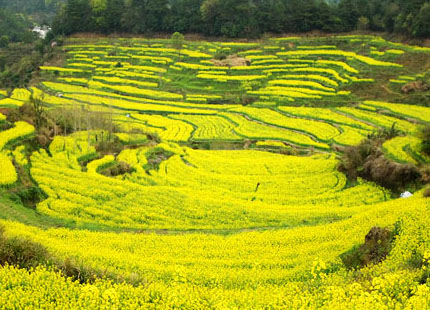
Jingdezhen and Wuyuan are good places for a day trip when you base your tour in Huangshan. We will complete a perspective of Huizhou culture at Wuyuan and satisfy your curiosity in China's porcelain in Jingdezhen.On Request -
Tour of Huangshan, Wuyuan, Jingdezhen in 6 Days
Mountain; Ancient Village; Ceramic;
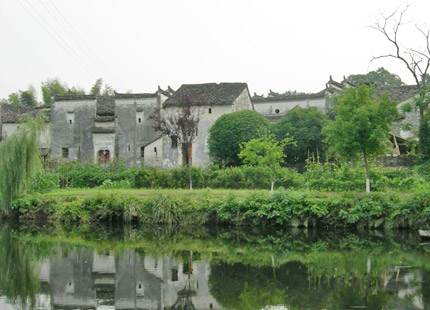
Immerse yourself in the beauty of Huangshan's Yellow Mountain, visit ancient villages like Hongcun, explore the cultural gems of Likeng, Jiangwan in Wuyuan, and then venture to the ceramic capital of Jingdezhen. This six-day tour offers a harmonious blend of natural landscapes, rich history, and exquisite artistry in China's heartland.On Request